

For Law Enforcement
Social Media Management for Law Enforcement
Your department has hundreds of officers across multiple precincts, but one Public Information Officer manages every social media post. Your patrol officers, community liaison officers, and K-9 handlers are frontline workers with no safe way to share community engagement on official accounts. One unreviewed post puts your department’s reputation and public trust at risk. ContentBridge turns them into content creators with approval workflows that match your chain of command. No shared passwords. No rogue posts. Full audit trail on every action.
Every precinct
one dashboard
<2 min
to submit from the field
Every post
reviewed before publish
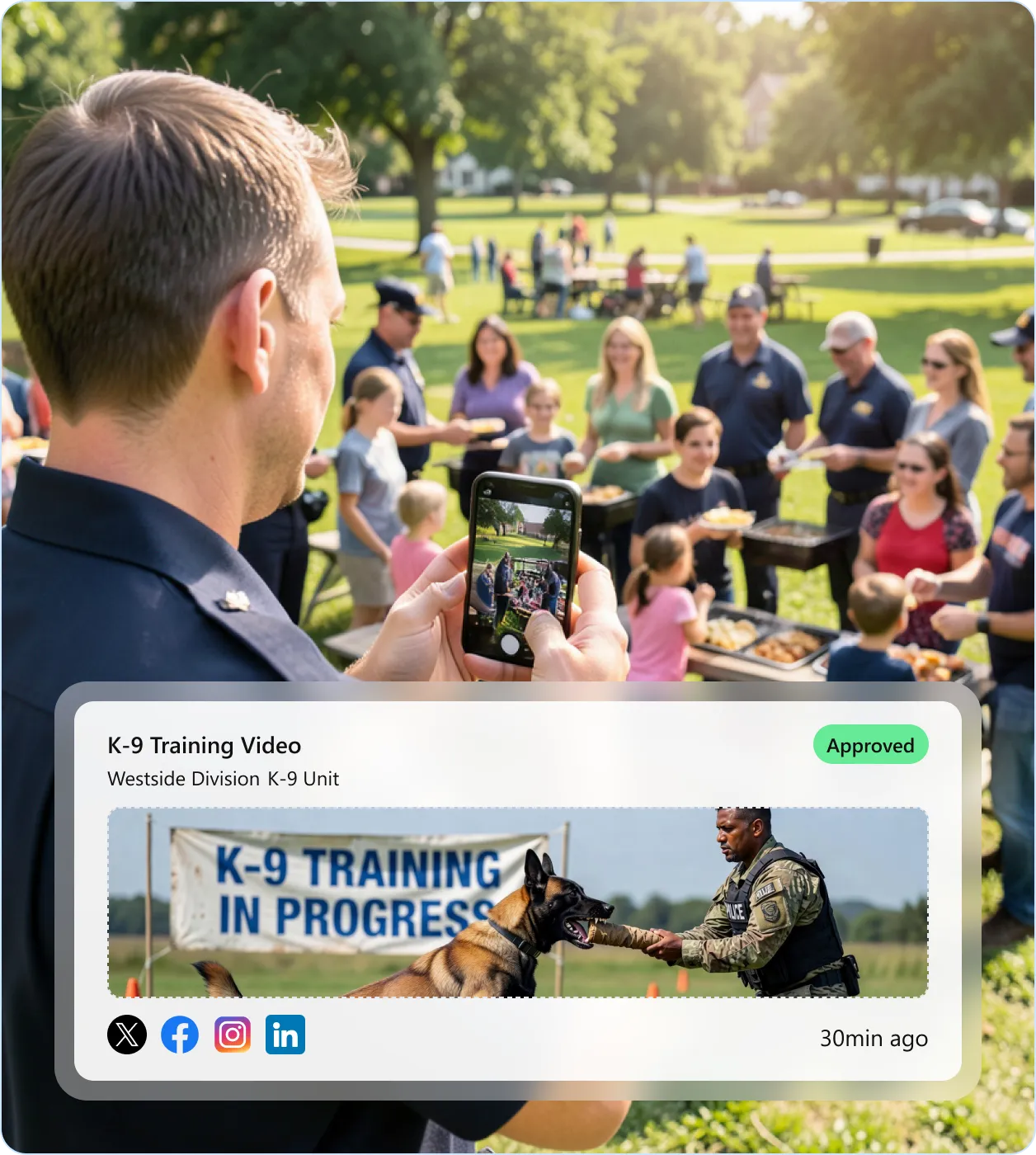
Why Police Department Social Media Stalls at Scale
Police departments with multiple precincts and hundreds of frontline officers hit the same three walls when they try to scale social media. If any of these sound familiar, the problem is structural, not operational.

Your best community stories stay on officers’ phones
Your patrol officers attend youth basketball leagues, school reading events, and neighbourhood block parties every week. They capture photos that show the department’s humanity. Those images sit in camera rolls because the Public Information Officer was handling a press conference, not documenting community events. The U.S. Department of Justice COPS Office states directly: “One person cannot be expected to manage both traditional and social media as well as internal communications 365 days a year.” According to Sociabble, employee-shared content generates 8x more engagement than corporate posts.

One unreviewed post puts your department on the front page
In 2019, the Plain View Project catalogued thousands of public Facebook posts by officers including racist content and celebrations of violence. In Philadelphia alone, 72 officers were placed on desk duty pending investigation. In 2025, an NYPD Department of Investigation report found 142 X accounts with insufficient oversight; 58 were deactivated after the Chief of Department used an official account to disparage a City Council member. In Nelson, B.C., eight officers face disciplinary action for sharing racist and sexist content in a private WhatsApp group. Without pre-publication review, every officer with account access is a source of reputational risk.

Your department operates across precincts with no centralized control
The NYPD grew from one centralized Twitter account in 2014 to 142 accounts by 2025. Many were unregistered, inconsistently branded, and lacked assigned officers. Their solution: shut down 58 accounts rather than manage them. The London Metropolitan Police operates over 1,000 social media profiles. The RCMP maintains 40+ individual detachment accounts in British Columbia alone, each requiring bilingual posting. Without a centralized platform, departments either over-centralize content through one PIO or let precinct accounts proliferate without governance.
From the Field to Official Department Accounts in Three Steps
Every post follows a controlled, auditable path from the field to your department’s official social accounts. Here is the approval chain for a typical multi-precinct police department.
Officers Create
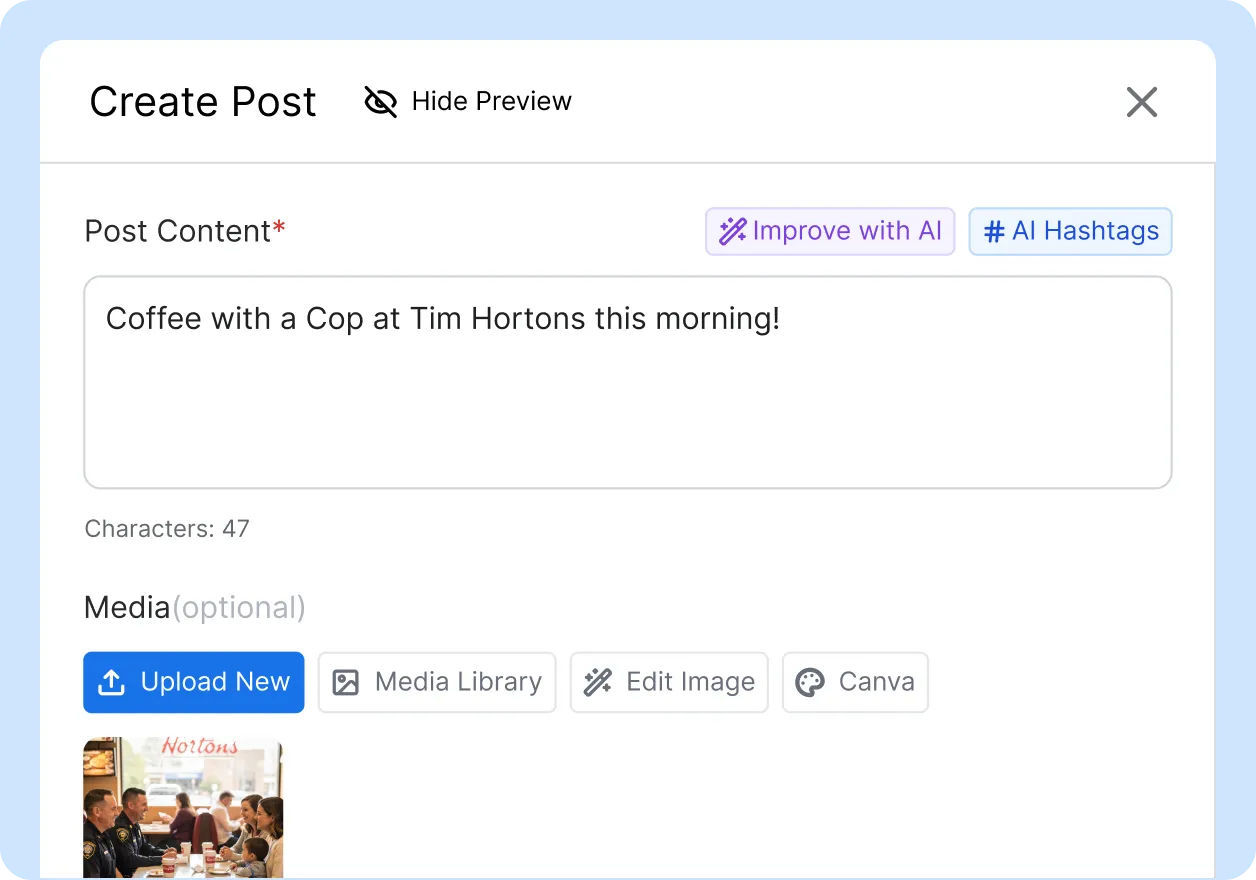
A patrol officer at a community event, a K-9 handler at a school demonstration, or a traffic officer at a safety campaign captures a photo and drafts a social media post from their phone. They select target platforms, add a caption, and submit for review. They never see or touch the department’s social media credentials.
Your Chain Reviews
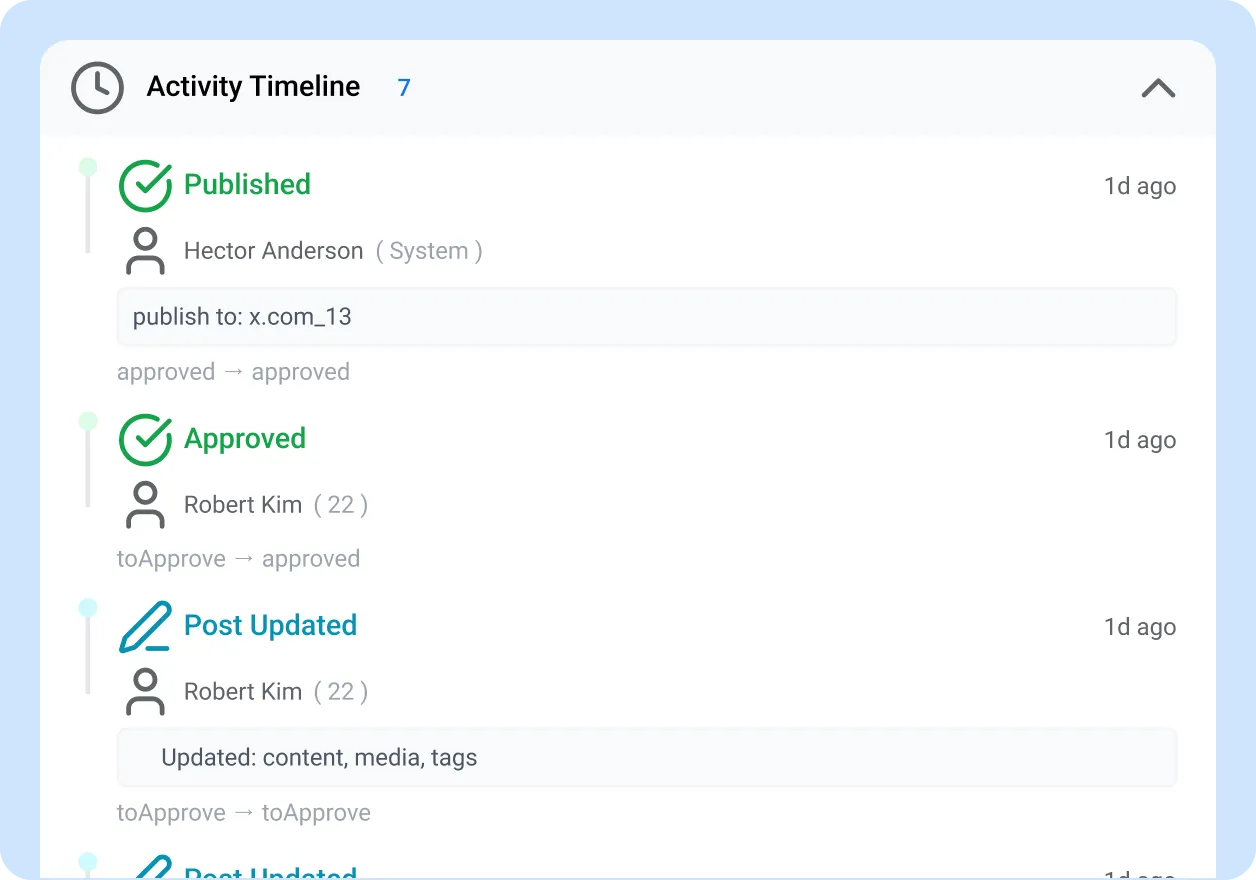
The post flows through your configured approval levels: sergeant checks accuracy, public affairs verifies messaging alignment, and legal or the chief’s office gives final sign-off on sensitive content. Reviewers can approve, reject, or request changes with threaded feedback. Parallel reviewers evaluate simultaneously.
Auto-publish
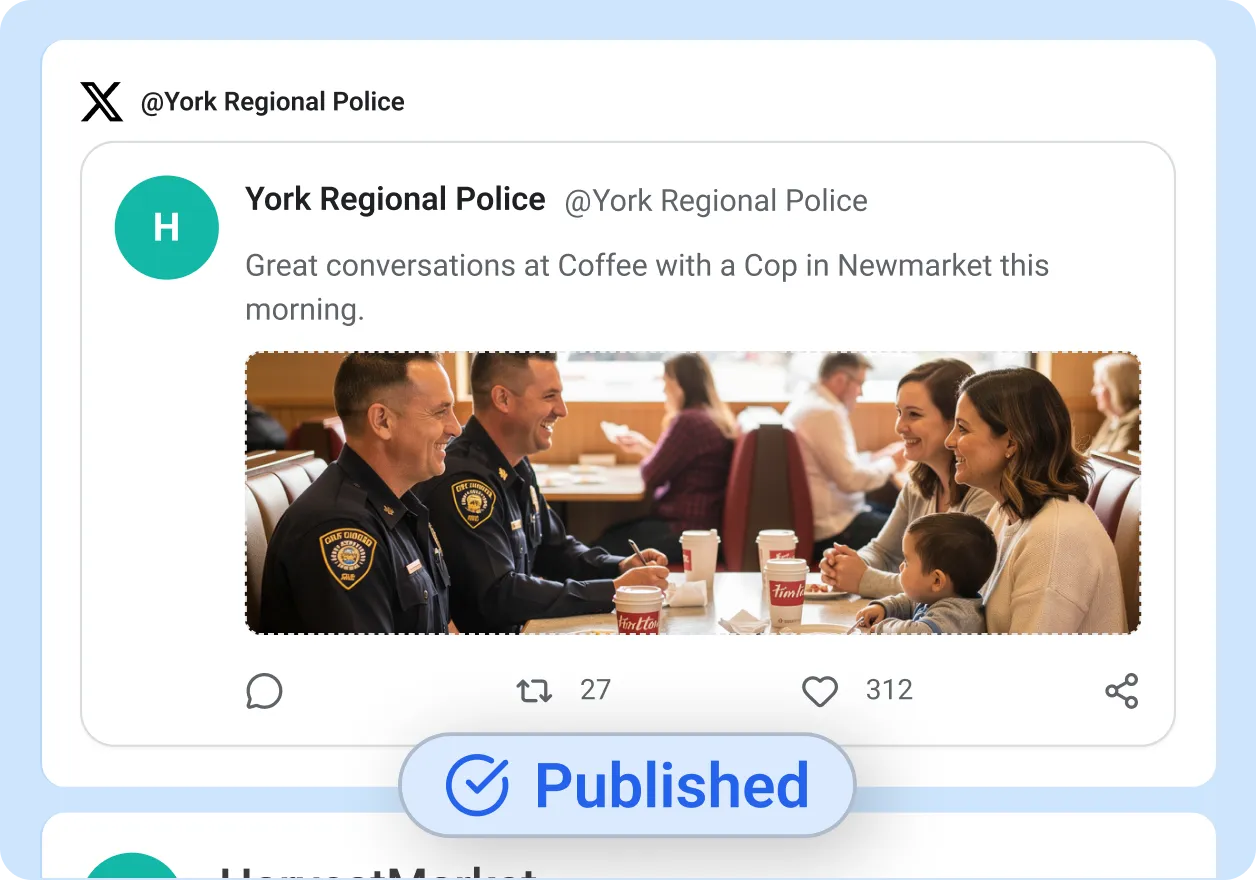
Once the final reviewer approves, ContentBridge publishes the post to your department’s official Facebook, Instagram, X, and LinkedIn accounts automatically. The complete audit trail records every action: who created the post, who reviewed it, what changed, and when it went live. This record serves as documentation for public records requests and oversight inquiries.
Six Ways Your Frontline Officers Build Public Trust Through Social Media
The content that builds public trust is the content your frontline officers already experience every shift.

Community policing documentation
Community liaison officers, school resource officers, and patrol officers document youth basketball leagues, school reading programs, neighbourhood block parties, and senior citizen check-ins from their phones. Each submission enters the chain-of-command approval workflow. Coverage maps show which divisions are actively documenting community work and which precincts have gone silent.
Powered by: content creation + approval workflows + coverage maps

Positive community interactions
Patrol officers, K-9 handlers, and traffic officers capture everyday moments: helping stranded motorists, hospital visits, school crossings, and daily acts of service. These moments happen every shift but never reach social media because the PIO was not present. Any officer submits the content in under two minutes. The approval chain catches anything problematic before publication.
Powered by: content creation + approval workflows + content guidelines

Specialized unit showcases
K-9 handlers, mounted patrol, and marine unit officers capture training exercises, community demonstrations, and operational highlights. K-9 content generates the highest engagement rates of any police social media content. In February 2026, a Burbank PD post featuring an officer with dogs generated millions of impressions. Content guidelines prevent disclosure of tactical details or sensitive operational information before posts enter the approval queue.
Powered by: content creation + content guidelines + media gallery

Recruitment and day-in-the-life content
Officers across all ranks and specializations create authentic recruitment content: roll call, training exercises, community engagement, and graduation ceremonies. Applications to police departments have decreased approximately 40% since 2019. Troy PD reported a 50% increase in applicants after implementing a social media recruitment strategy. ContentBridge enables this at scale without hiring media consultants.
Powered by: content creation + leaderboards + contributor reports

Crime prevention and public safety
Crime prevention officers, traffic officers, and fraud investigators capture seasonal safety tips from the field, school zone enforcement at actual school zones, scam examples (redacted), and impaired driving awareness. Content from frontline officers in real environments is more authentic than generic text posts written at a desk. Each submission enters the approval chain for accuracy and policy review.
Powered by: content guidelines + AI compliance checking + media gallery

Multi-precinct coverage tracking
Your public affairs team reviews content from every precinct and division before publication. Coverage maps show which divisions are creating content and which have gone dark. Contributor reports reveal top-performing precincts so you can replicate their approach across the department. A department with 77 precincts or hundreds of detachments needs this visibility.
Powered by: coverage maps + contributor reports + department management
Six Capabilities Built for Multi-Precinct Law Enforcement
Social media management for police departments requires capabilities that general-purpose tools do not offer. These are the features that matter when your content comes from officers in the field, not from a marketing desk.
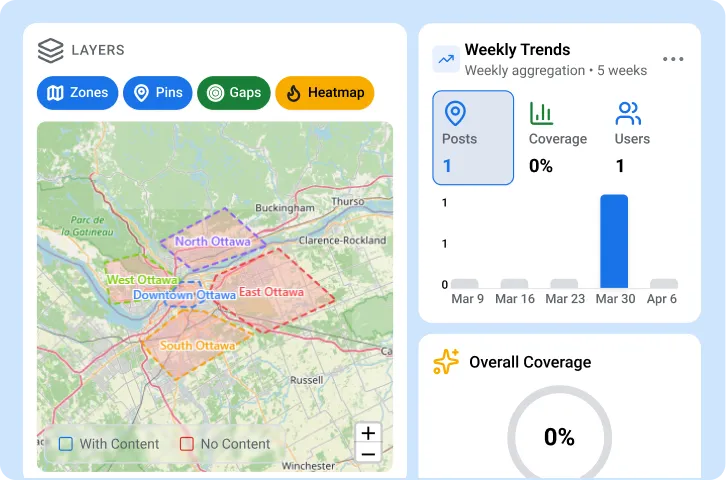
Multi-precinct coverage maps
Interactive maps with territory overlays show which precincts and divisions are creating content and which have gone silent. Filter by precinct, unit, or date range. Role-based access ensures each division sees only its own content while your public affairs team maintains department-wide visibility. Coverage trend reports reveal whether content activity is growing or declining week over week.
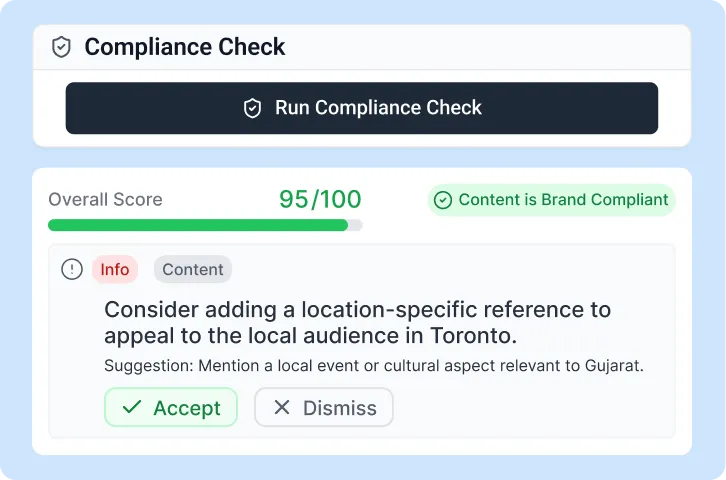
Content guidelines for department policy
Configure compliance rules that flag sensitive terms: suspect names, case numbers, tactical details, ongoing investigation references, and restricted operational information. The AI compliance check screens posts against your department’s social media policy before they enter the approval queue. Rules are configurable per precinct and content type.
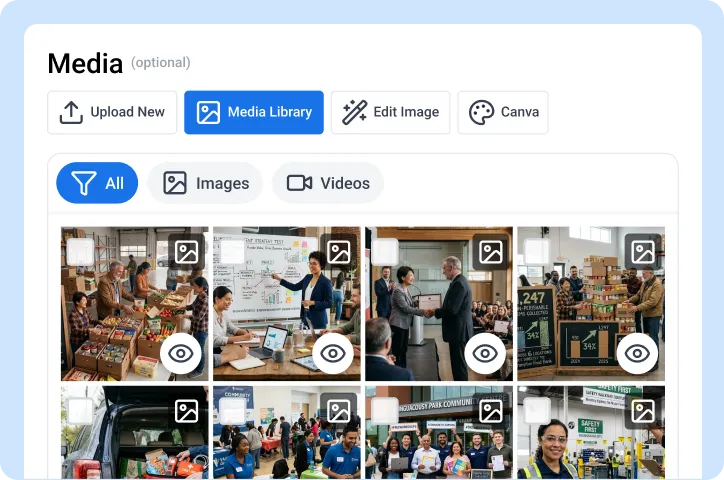
Media gallery for department visuals
Browse every photo and video captured across all precincts in a searchable, Pinterest-style gallery. Filter by precinct, unit, event type, and creator. Approved visuals are automatically tagged with metadata for easy retrieval. Bulk-export collections for recruitment campaigns, community reports, or annual publications.
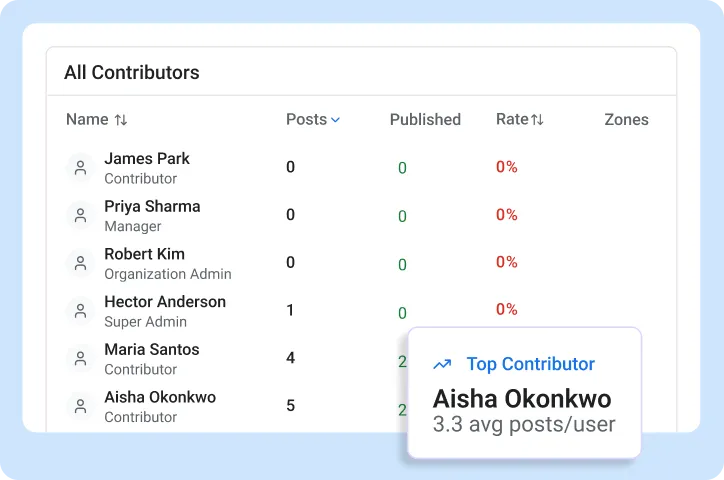
Leaderboards and contributor reports
Ranked contributor lists with gold, silver, and bronze medals show which precincts and units are most active. Filter by precinct, unit, or time period. Weekly and monthly leaderboards create friendly competition that drives content volume without department-wide mandates.
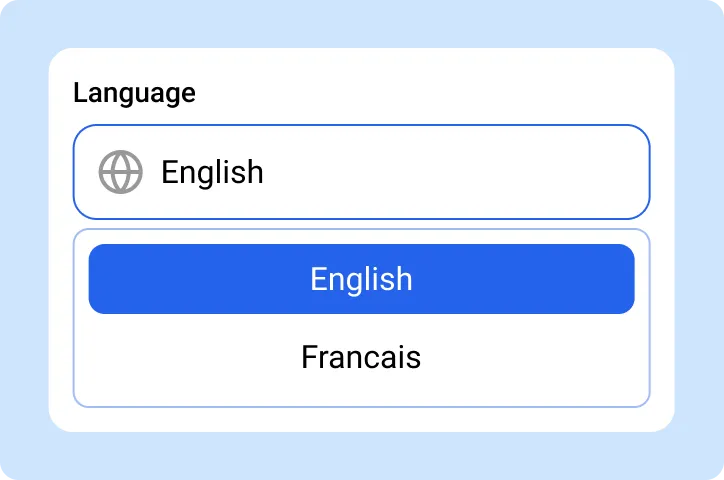
Bilingual support (EN/FR)
The full platform operates in English and French. Content creation, approval workflows, notifications, and the help centre are available in both languages. For RCMP detachments and federal policing agencies, bilingual capability supports compliance with the Official Languages Act.
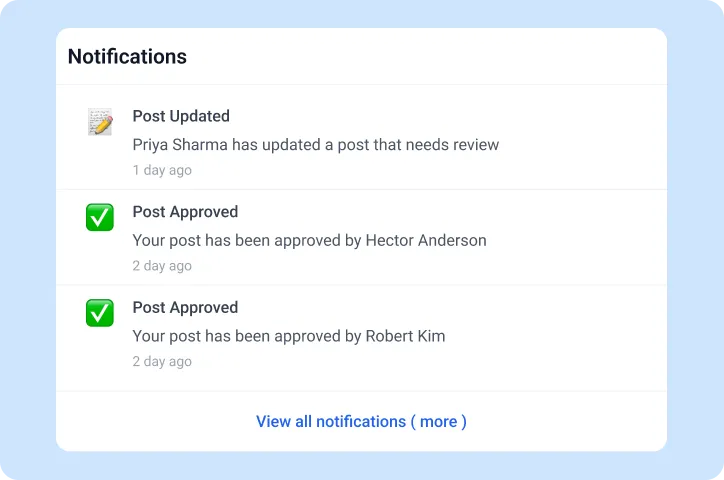
Real-time notifications
Push notifications arrive the instant a post needs review. WebSocket-powered live updates keep the approval queue current with no page refreshes. Your public affairs team and supervisors can respond from any device without logging into the dashboard. When an officer submits a time-sensitive community post from the field, the next reviewer sees it within seconds.

“Before ContentBridge, our Public Information Officer was the only person who could post to our official accounts. Community engagement content sat in email inboxes for days or never made it off officers’ phones. Six months after rollout, over 80 officers across 12 divisions submit content regularly. Every post goes through our sergeant, public affairs, and legal review chain before publication. Approval turnaround averages under four hours, and our community engagement metrics have increased 45%. We documented over 340 community events last quarter that would have gone unrecorded.”

Staff Sergeant David Chen, Public Affairs Unit, Regional Police Service, Ontario
Law Enforcement Compliance Followed in Every Post
Criminal statutes, privacy legislation, and public records requirements govern every post your department publishes. ContentBridge does not interpret these regulations or replace your legal counsel, public affairs, or oversight bodies. It gives your reviewers the approval workflow, content guidelines, and audit trail to enforce your department’s policies across every precinct, before any post goes live.

Ongoing investigations
Social media posts must never compromise active investigations. Content that reveals investigative techniques, names suspects before charges are laid, discloses witness identities, or shows evidence risks tainting prosecutions. ContentBridge’s multi-level approval chain routes investigation-adjacent content through your designated reviewers before publication.

Youth Criminal Justice Act (YCJA)
The YCJA prohibits publication of identifying information about young persons involved in the criminal justice system. Any social media post identifying a youth offender is a criminal offence, not a policy violation. ContentBridge’s content guidelines flag posts referencing youth incidents for mandatory review through your approval workflow.

Provincial privacy legislation
Police departments are generally exempt from PIPEDA for law enforcement activities, but public communications involving identifiable individuals may raise obligations under provincial privacy legislation: Ontario’s FIPPA, British Columbia’s FIPPA, and Alberta’s ATIA. Your privacy reviewer screens public-facing content through ContentBridge’s approval workflow before publication.

Official Languages Act
Federal institutions including the RCMP must communicate in English and French. All social media content from federal policing must meet bilingual requirements. ContentBridge’s full bilingual platform supports content creation and review in both languages, and your approval chain can include a language reviewer for bilingual compliance.

Body-worn camera footage
BWC footage shared on social media requires redaction of victim faces, juvenile faces, uninvolved parties, addresses, licence plates, medical information, and tactical communications. ContentBridge’s approval chain ensures your designated reviewer screens all BWC content for proper redaction before publication.

Public records and audit trails
Social media posts by government agencies are considered public records. Departments must maintain archiving for oversight inquiries and public records requests. ContentBridge’s audit trail provides a complete, timestamped record of every post’s lifecycle, from initial draft through each reviewer’s decision to final publication. All records are exportable.
Compliance depends on proper configuration and your department’s specific policies. Consult your legal counsel and oversight body for complete compliance verification.
Common Questions About ContentBridge for Law Enforcement
Does ContentBridge work for police departments with multiple precincts or detachments?
Yes. ContentBridge supports departments operating across multiple precincts, divisions, and detachments. Each precinct has its own approval chain, content guidelines, and connected social accounts. Your public affairs team sees every precinct from a single dashboard. You configure separate workflows and content rules per precinct, division, or unit type.
How does ContentBridge handle approval workflows that match the chain of command?
ContentBridge supports unlimited approval levels. You configure the chain to match your department’s structure: officer submits to sergeant, sergeant to public affairs, public affairs to legal or the chief’s office. Different content types can route through different chains. Community engagement posts follow a standard three-level review. Content involving active investigations or sensitive operations routes through additional review. Parallel reviewers can evaluate simultaneously to reduce turnaround time.
How does ContentBridge prevent officers from accessing social media passwords?
Officers never see your department’s social media credentials. They create content through the ContentBridge mobile app and submit it for review. Only administrators connect social media accounts through OAuth, and those credentials are stored securely. Officers select which platforms a post targets, but they never log into Facebook, Instagram, X, or LinkedIn directly. Role-based access controls ensure each officer can only create and submit content for their assigned precinct or unit.
How do we get frontline officers to actually create social media content?
ContentBridge is designed for frontline workers whose primary job is not social media. Creating a post takes under two minutes: capture a photo at an event, write a caption, and submit. Officers do not need training in platform algorithms, scheduling, or brand guidelines. The approval chain handles policy compliance and messaging review. Leaderboards and contributor reports create visibility across precincts and units. Departments that activate ContentBridge typically see officer adoption within the first two weeks.
How quickly can a police department get started with ContentBridge?
Most departments have their first precinct configured and submitting posts within one day. ContentBridge includes law enforcement templates that pre-configure common organizational structures and approval hierarchies. You add precincts, invite officers and staff through bulk CSV import or shareable invite links, and configure approval chains at your own pace. A department with 12 divisions typically completes full rollout within two to three weeks.
Other Industries Using ContentBridge
Law enforcement is one of the industries ContentBridge serves. See how frontline content creation works in other verticals.

Government Agencies
Provincial and federal agencies empower every department to communicate with constituents through controlled approval workflows and bilingual support.

Municipalities
Municipal departments empower field staff to create community engagement content with approval workflows that match organizational structure.

Healthcare
Hospitals and healthcare networks empower every clinic to share patient success stories and health advisories with PHIPA-compliant approval workflows.